
Radon in Water: Risks, Testing & Treatment in New Hampshire
Radon in water is a common concern for New Hampshire homeowners, especially those who rely on private wells. This naturally occurring radioactive gas can enter groundwater through rocks and soil.
When water containing radon is used inside your home, the gas can escape into the air you breathe. The biggest problem is that radon has no color, taste, or smell. You cannot tell if it is in your water without testing.
At New Hampshire Water Care, we help homeowners identify common water problems, understand their test results, and find effective treatment solutions. If you’re concerned about radon in well water, our experienced team can help you take the right steps. Contact us now to schedule a radon water test.
What Is Radon, and How Does It Get Into Water?
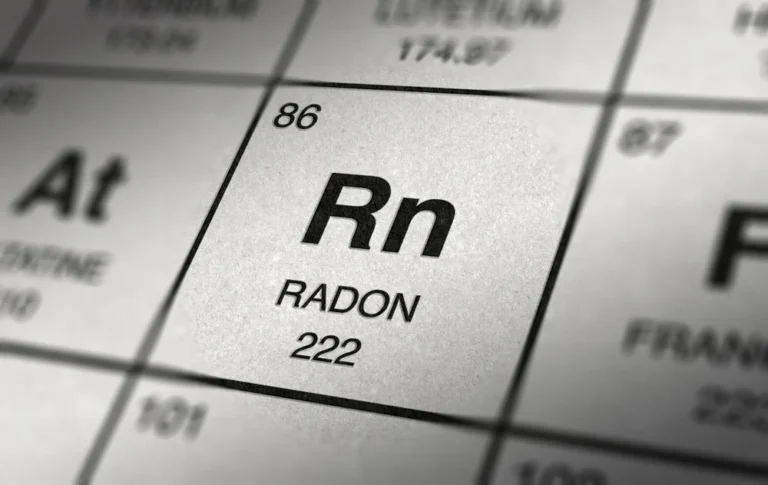
Radon is a radioactive gas that forms when uranium naturally breaks down in rocks and soil. As groundwater moves through these materials, radon can dissolve into the water and enter private wells. When this water reaches your home, everyday activities can release radon into indoor air, including:
- Showering and bathing
- Washing dishes
- Doing laundry
- Running faucets and other plumbing fixtures
Once released, radon can build up indoors and increase your exposure. Most indoor radon comes from the soil beneath a home, but well water can also contribute to the problem. This is why testing both your water and indoor air is important.
Why Is Radon in Well Water a Concern in New Hampshire?
New Hampshire has a higher potential for radon exposure than the national average because of its granite bedrock. This rock can contain naturally occurring uranium, which produces radon as it undergoes radioactive decay. The radon can dissolve in groundwater and enter private wells.
According to a U.S. Geological Survey study, more than half of New Hampshire sits above groundwater with at least a 50% probability of having elevated radon concentrations.
This does not mean every private well has high radon levels. However, it shows why testing well water for radon is especially important for New Hampshire homeowners. Even neighboring wells can have different radon concentrations. Testing your own water is the only reliable way to know what it contains.
Radon Health Risks: What Are the Signs and Symptoms of Radon Exposure?
Radon exposure does not cause immediate symptoms. You cannot see, smell, or taste radon, and exposure typically does not cause noticeable illness right away.
People searching for radon poisoning symptoms should understand that the main concern is the long-term risk of lung cancer. Consuming radon in water may also increase the risk of stomach cancer.
According to the EPA, radon causes about 21,000 lung cancer deaths every year and is the leading cause of lung cancer for non-smokers. Lung cancer may develop years after radon exposure. Possible symptoms of lung cancer include:
- A persistent cough that gets worse or does not go away
- Shortness of breath
- Chest pain
- Wheezing
- Coughing up blood
- Unexplained weight loss or ongoing fatigue
These symptoms can have many causes and don’t always mean someone has been exposed to radon or has lung cancer. If you experience them, speak with a healthcare professional as quickly as possible.
You should not wait for symptoms to appear before testing your home. Radon can be present for years without any warning signs.
How Do You Test Water for Radon?
A radon water test involves using laboratory analysis to measure the amount of radon gas in your water. Because radon has no visible warning signs, testing is the only way to confirm its presence.
If your New Hampshire home uses a private well, here’s how to set up testing:
- Contact our professionals at New Hampshire Water Care to arrange laboratory testing specifically for radon. This is different from a routine basic water test.
- Water will be collected under careful sampling guidelines.
- The laboratory report will show the radon concentration in picocuries per liter (pCi/L).
- If elevated radon levels are found, our water treatment professionals can help determine which removal system is appropriate.
New Hampshire Water Care offers professional water testing services, including laboratory testing for radon and other water quality concerns.
Homeowners should also test their indoor air for radon. A water test cannot determine the total amount of radon in your home’s air, and an air test cannot tell you how much radon is in your well water.
What Radon Level in Well Water Is Too High?
There is no enforceable federal or New Hampshire drinking water limit for radon. According to the New Hampshire Department of Health & Human Services, it is recommended to consider reducing radon in water when the level is between 2,000 and 10,000 pCi/L, and the airborne radon level in the home is 4pCi/L or more.
The EPA also recommends considering fixing a home’s air if radon levels are between 2 pCi/L and 4 pCi/L.
To summarize:
- At or above 10,000 pCi/L: Radon water treatment is recommended along with steps to address indoor air radon.
- Between 2,000 and 10,000 pCi/L: Water treatment may be advisable, especially if indoor air radon is at 4 pCi/L or higher.
- Below 4,000 pCi/L: When radon in well water is below 4,000 pCi/L, the NH Department of Environmental Services recommends retesting air and water every 3 to 5 years.
How Do You Remove Radon From Well Water?
Radon in well water can be reduced with a properly designed, whole-home treatment system. The two main methods are aeration and granular activated carbon filtration.
Aeration Systems
Aeration is generally the preferred method for removing radon from well water, especially when concentrations are high. An aeration system works by mixing water with air in a treatment tank. This allows radon gas to separate from the water. The gas is then vented outdoors rather than released into your home.
Benefits of aeration systems include:
- Effective reduction of elevated radon levels
- Whole-home treatment before water reaches plumbing fixtures
- No collection of radioactive radon on filter media
- Reliable operation with proper installation and maintenance
New Hampshire Water Care offers radon aeration equipment, including the AIRaider™ S Series and Bubble-Up Interactive® systems.
Granular Activated Carbon (GAC) Systems
Granular activated carbon filters can also reduce radon in water by trapping it within carbon media. These systems may be considered for certain lower-level radon problems. However, they have an important limitation: radioactive materials can collect inside the filter over time. This can create concerns about radiation exposure near the equipment and the safe handling and disposal of used carbon.
For these reasons, aeration is often a better choice, particularly when radon levels are high.
The right solution depends on your radon test results, water use, available space, and other water quality concerns.
After system installation, water should be retested to confirm that the treatment equipment is working properly. Explore our radon removal systems to learn more about available options.
Get Help With Radon Water Testing and Treatment in New Hampshire
If you have a private well, don’t assume your water is free of radon simply because it looks, smells, and tastes normal. Testing is the first step toward understanding your home’s water quality.
New Hampshire Water Care has been proudly serving New Hampshire residents since 1980. Based in Milford, NH, we offer experienced service technicians, professional installation, dependable products, and prompt customer support.
We are also an authorized WaterCare® dealer, independently operated rather than a corporate-owned branch. Our team is authorized to sell, install, and service WaterCare® treatment products. For 60+ years, WaterCare® has developed water treatment technologies designed to improve water quality and performance, with all products built in the USA.
Whether you need a radon water test or a professionally installed radon removal system, New Hampshire Water Care is here to help. Contact us today to find the right solution to protect your well water.
Radon in Water FAQs
-
Does radon in water have a taste, smell, or color?
No. Radon in water has no taste, smell, or color, so you cannot detect it by drinking, smelling, or looking at your water. Even clear, fresh-tasting well water can contain radon.
-
Do I need a separate radon test for my well water?
Yes. A radon water test measures dissolved radon in your well water, while an indoor air test measures radon in the air you breathe. One does not replace the other. If your home uses a private well, testing both your water and indoor air helps identify potential exposure from each source.
-
Is it safe to shower with radon in my water?
Showering with radon in your water can release radon gas into the air, where you can breathe it in. The main concern is long-term inhalation exposure, which can cause serious health risks. If testing shows elevated radon, a whole-house radon removal system can treat the water before it reaches your shower and other fixtures.
-
How often should I retest my well for radon?
New Hampshire recommends retesting both air and water every 3 to 5 years when well water radon is below 4,000 pCi/L. If you have a radon removal system, follow the recommended testing schedule to verify that treatment remains effective.
-
Can I have radon in my water but not in my air?
Yes. Your well water can contain elevated radon even when your indoor air test shows a low level. Radon in water and radon in air are measured separately, and an air test cannot determine your water’s radon concentration. However, dissolved radon can escape into indoor air during household water use, so a low air result does not replace a radon water test.
-
Does reverse osmosis filtration remove radon from drinking water?
No. Standard reverse osmosis systems do not effectively remove dissolved radon gas. Radon treatment typically requires a whole-house aeration system or a specialized carbon filter.
-
Do water filters remove radon?
Some do. Specialized carbon filters can reduce radon in water, but not every water filter works for this purpose.
-
Does a water softener remove radon?
No. Water softeners remove hardness minerals, not radon gas. Radon requires a separate treatment system, such as aeration or a specialized carbon filter.
-
Do carbon water filters remove radon?
Yes. A properly sized granular activated carbon filter can reduce radon in well water. However, radioactive materials can build up in the filter, so it needs proper maintenance and disposal.
-
What is a safe level of radon in water?
No radon level guarantees zero health risk. There is no federally enforced radon limit for drinking water. Follow your state’s guidance and consider both your water and indoor air test results.